


The music news cycle has been quiet last week, with most sources running their “Best of 2025” roundups. Everyone’s reflecting on what worked, what didn’t, and what’s coming next.
So I thought instead of a Monday Music Briefing, I’d end the year with something different: an inspirational outlook on how we can rethink discovery as we move into 2026.
Because if you’ve spent this year chasing virality, feeling stuck, or wondering why nothing’s breaking through, this might be the mindset shift that changes everything.
The Viral Lottery Is Closing
Since COVID and through early 2024, going viral on TikTok was a playbook to getting signed by major labels. Labels were signing artists left and right based on viral moments alone.
But the bar got higher. 2026 will be different.
Major labels started realizing that TikTok virality doesn’t guarantee sustainable careers. Artists who racked up millions of views on 15-second clips couldn’t sell out venues. Many had never performed live. Their songs worked as short-form content but fell flat as complete works. And if you can’t tour, labels aren’t interested.
The viral lottery still exists, but now labels are watching what happens after the viral moment. Can you sustain momentum? Can you tour? Can you turn viral attention into an actual fanbase?
Whether you want to be a major label artist or not, going viral can open the door to discovery, but you still have to prove you can build a career. And honestly? That’s better for artists who actually have something to say.
What’s replacing the “go viral and get signed” playbook is less dramatic but more reliable: stacking small, meaningful moments over time.
This is the ‘Kaizen’ approach to discovery. And as we head into 2026, it’s how self-label artists can build sustainable momentum without losing themselves in the process.
What Is Kaizen? And Why It Matters for 2026
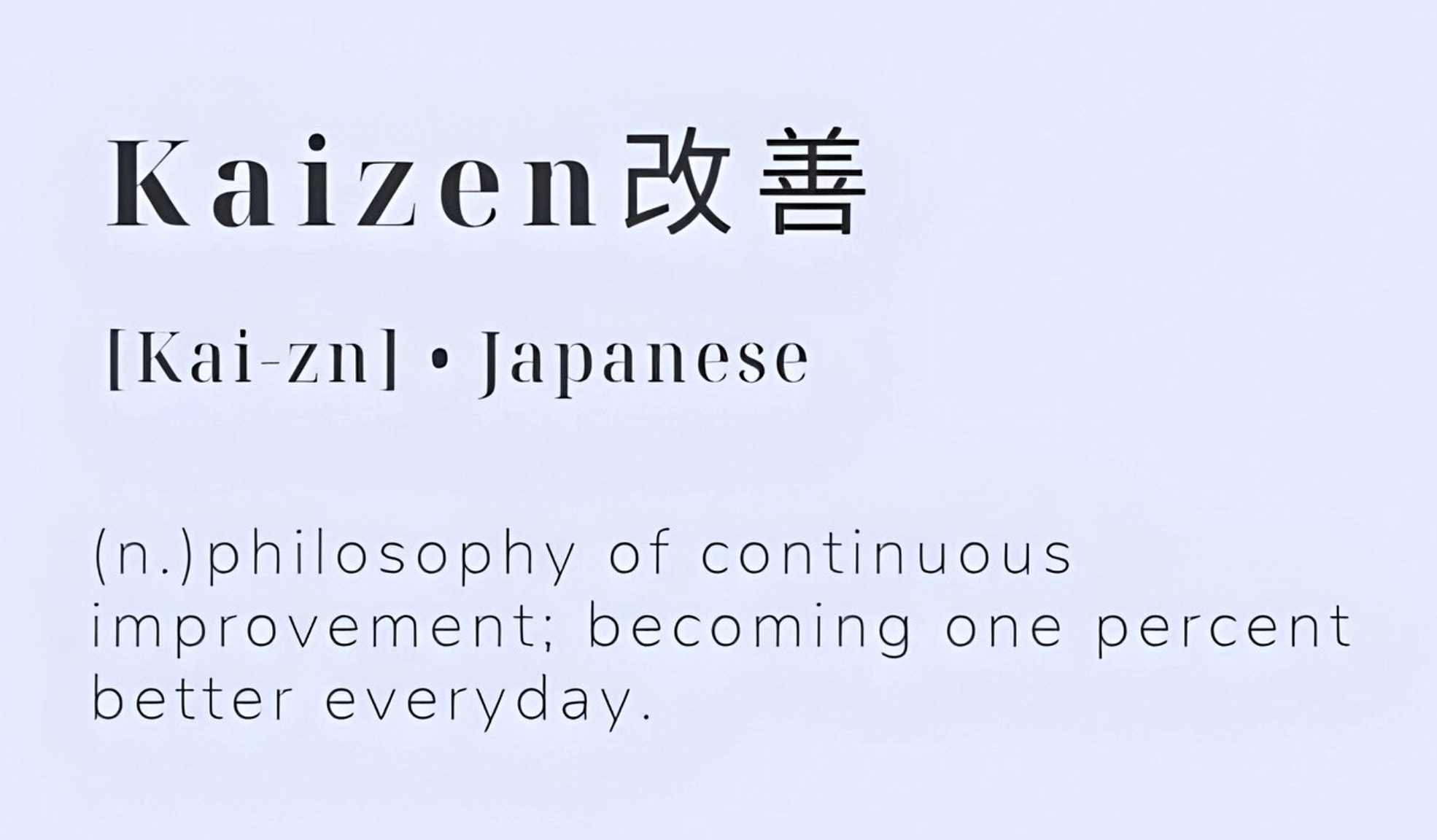
Kaizen is a Japanese philosophy that translates to “continuous improvement.” It’s built on a simple idea: small, incremental changes compound into significant results over time.
Instead of chasing one massive win, you focus on small wins every single day. You build systems, you refine, and you show up consistently. And those small steps stack into momentum that lasts.
For self-label artists heading into 2026, this means: discovery isn’t one viral moment. It’s multiple small discovery moments that build familiarity, trust, and connection with listeners.
You’re not trying to explode overnight. You’re trying to stack enough signals that platforms, playlists, and real human fans start to notice and stick around.
This is the infrastructure ownership requires. And this is how you build a 2026 that’s more aligned with your artistic identity.
The Case Study: How Discovery Actually Happens
Here’s an example of what stacked discovery looks like.
An independent pop-rock artist releasing a new single treats the song as a multi-week discovery asset instead of a one-day launch.
Two weeks before release: short rehearsal clips and lyric previews focused on the emotional hook. Simple visuals. Strong comments.
Release day: stripped-down performance video. Active engagement with early reactions.
Within days, one clip stands out. Not because it has the most views, but because it’s getting saved, shared, and commented on at a higher rate.
Fans connect to a specific lyric about burnout. Instead of moving to the next song, the artist leans in:
Posts an explanation of what the lyric means
Shares a live performance clip with audience sing-along
Features a fan-submitted video
The song may or may not go viral. But saves, playlist adds, and follower growth steadily increase. The same listeners keep showing up.
Discovery happens gradually. And it sticks.
The takeaway: discovery comes from stacking small, meaningful signals, not chasing one breakout moment.
This is the approach that will serve you in 2026.
What This Reveals About Discovery in 2026
Your release isn’t one moment. It’s multiple entry points. Every piece of content you create gives listeners another reason to discover your music. Not just on release day - all month long.
Saves matter more than views. If 500 people scroll past your video but 50 people save it to come back to later, that second group is your real discovery signal. Platforms know the difference between passive consumption and genuine interest.
People remember songs when they understand them.
Carly Pearl, an artist I manage, went viral for her song “Pronoia.” Instead of just posting the track, she explained what pronoia means and how fans could apply it to their lives.
The response was immediate. Two years later, people are still engaging with the song. Fans share tattoos of the lyrics, post about how it changed their perspective, or helped them through difficult times.
When you explain why a song matters to you, listeners connect to it differently. Context turns casual listeners into people who actually care.
This is what discovery infrastructure looks like in 2026: not one viral post via trends, but a system of small, consistent moments that stack into real connections, aligned with your artistic choices.
Small steps every day - that’s Kaizen.
Not All Platforms Work the Same
Here’s what most “algorithm advice” gets wrong: it treats every platform like they’re interchangeable. Post everywhere, hope something sticks.
It’s important to remember that people don’t use TikTok the way they use Spotify. They don’t scroll Instagram the way they scroll YouTube. Each platform has different user behavior, which means each platform rewards different content.
TikTok and Reels users are scrolling fast. You have three seconds. A strong hook, personality, and authenticity cut through faster than production value. Striving for perfectionism is a waste of time and energy (and it will make you mad!)
Spotify and Apple Music reward the save, not the play. When someone adds your song to their library or playlist, that signals real interest. When they replay it, even better. That’s what platforms prioritize.
Instagram and Facebook thrive on conversation. The posts that get shared to Stories, that spark comments, that make people tag their friends - those are the ones that get pushed. Ask questions. Invite responses. Make people want to engage, not just scroll.
The same song can work differently on each platform if you adapt how you present it. A TikTok clip about the lyric’s meaning. A Spotify Canvas that loops the hook. An Instagram post asking fans what the song means to them.
Meet people where they are. You don’t have to change your art. Just adapt how you present it.
This is how you build a 2026 that feels sustainable, not exhausting.
Your Fresh Start for 2026
When you operate as your own label, you don’t have a marketing team like major labels do - testing strategies and creating burner accounts to create hype for you. You have to be strategic from the start.
But strategic doesn’t mean inauthentic. It means understanding the infrastructure discovery requires and building it without compromising who you are.
Discovery in 2026 doesn’t have to feel like a constant hustle for attention. It can feel more aligned with who you are, more sustainable, more real. Find ways to make you want to show up for yourself every day.
Kaizen gives you permission to stop chasing virality and start building something real. Small steps. Daily refinement. Stacking moments that compound into sustainable momentum.
Stop chasing viral and start stacking small wins.
That’s how self-label artists build careers that last. And that’s how you make 2026 the year you finally build momentum that feels sustainable.
As you head into 2026: What’s one small discovery moment you could commit to creating consistently? Drop a comment.
[^1]: Hypebot, “How Musicians Get Discovered in 2026: A Realistic Playbook That Actually Works,” December 2025.