


One of the best songwriting hacks I learned was from working in a recording studio. It’s so simple, yet it’s been a game-changer. Always finish the structure of the song before you close the session for the day.
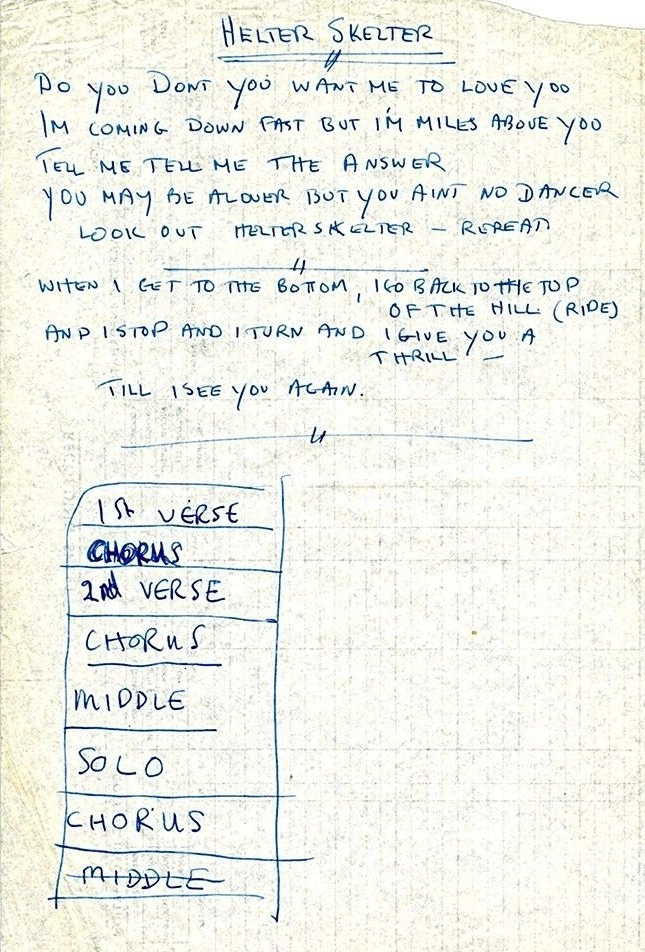
The melody doesn’t have to be final. You don’t even need words. But before you save and shut down, commit to your initial idea and map out the full song. Verse, pre-chorus, chorus. Maybe a bridge. Maybe an interlude. The skeleton needs to exist before you walk away.
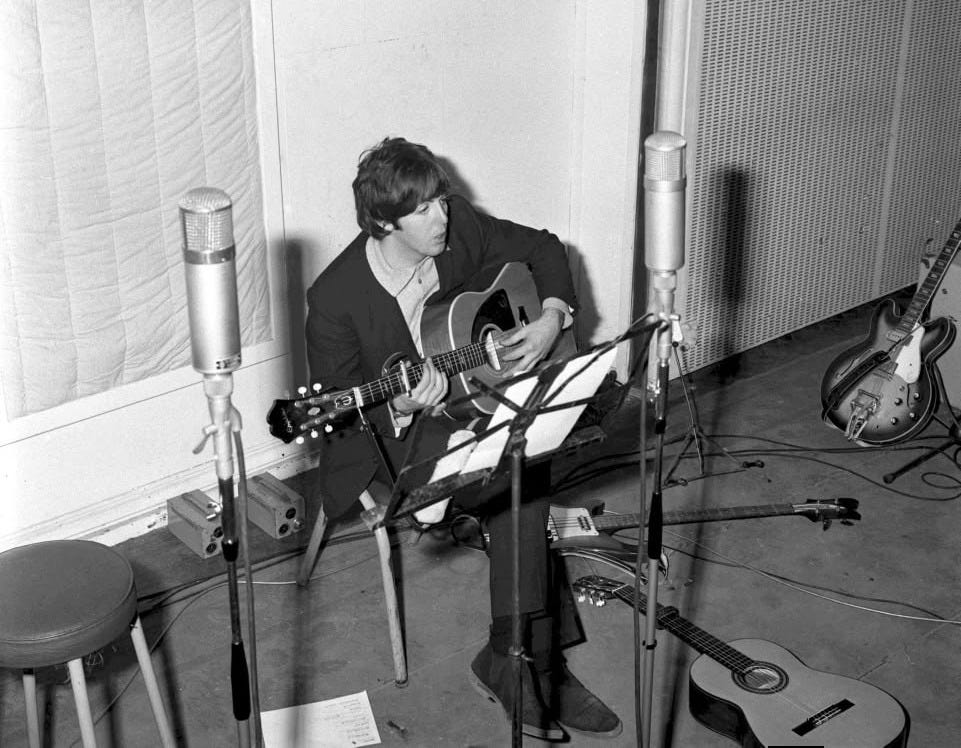
Paul McCartney has talked about this exact approach. In his words:
“Try and get to the end in one go, and it’s normally, then, pretty much written. You may then look at it and go ‘oh that line’s a bit ropey’. If you’re lucky, more often than not, you find that you’ve just sort of done it.”
-Paul McCartney
So the key here is to try to map out the song from a broad perspective before you obsess over specific words or melodies. If you obsess over the details before you even have a structure, you start to lose context. Having the structure down reminds you of the song’s journey, making it easier to fine-tune the details later.
We’ve all been there. You open a project from two weeks ago, hear four bars of something that once felt electric, and now you can’t remember where it was going. The energy is gone. The intention behind it has faded. And instead of building on momentum, you’re trying to reconstruct a feeling, which is one of the hardest things to do in music.
Why Structure First, Polish Later
When you map out the full structure early, even in its roughest form, you give yourself something real to return to. You've got the arc. You know where the song breathes, where it builds, where it lands.
Once I have a verse, pre-chorus, and chorus, I immediately copy it as the next verse and chorus. If the song calls for it, I work on a bridge, then copy the chorus, and just like that, I already have a full song in front of me. There's something so satisfying about that moment because now you can see the entire song. And then comes the fun part: working on the production, adding elements for each section so nothing feels too repetitive, or sometimes even cutting a section in half.
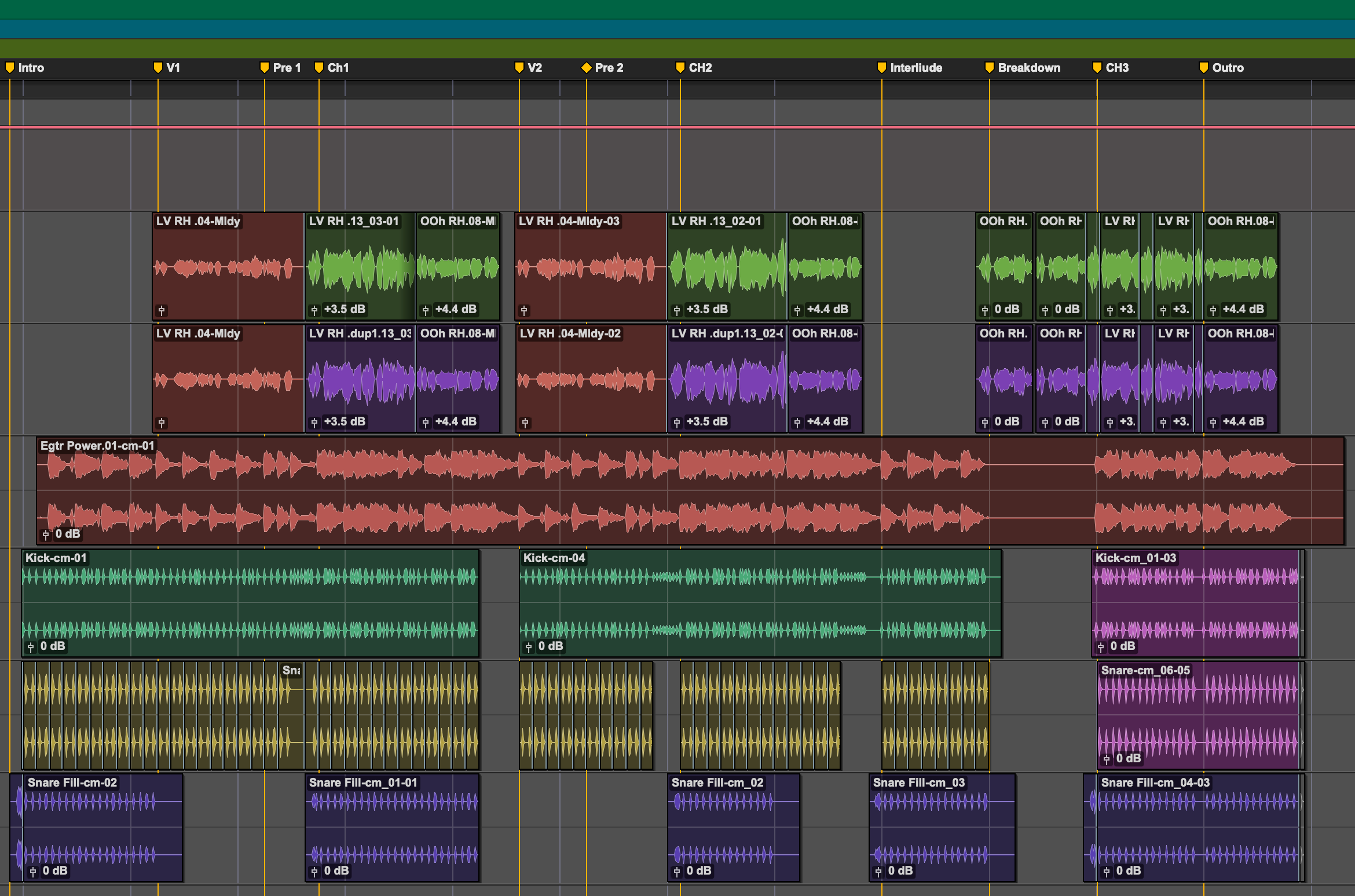
McCartney describes his process as sitting down and starting to block stuff out with sounds, following a little phrase that’s starting to work, and chasing that trail wherever it leads. He also said something I love about the balance between freedom and structure:
“I think structure’s great. But I also like to start with chaos in order to get the freedom.”
That’s exactly what this is. You start with the chaos. You let yourself play. And before you close the session, you organize that chaos into a structure you can come back to. Because it’s always easier to take things out or tone things down.
It’s like building a house. You can’t put your favorite mid-century modern pieces in the living room or paint the bedroom your favorite color without having the bare bones of the structure standing first. The foundation comes before the finishes. Songs work the same way.
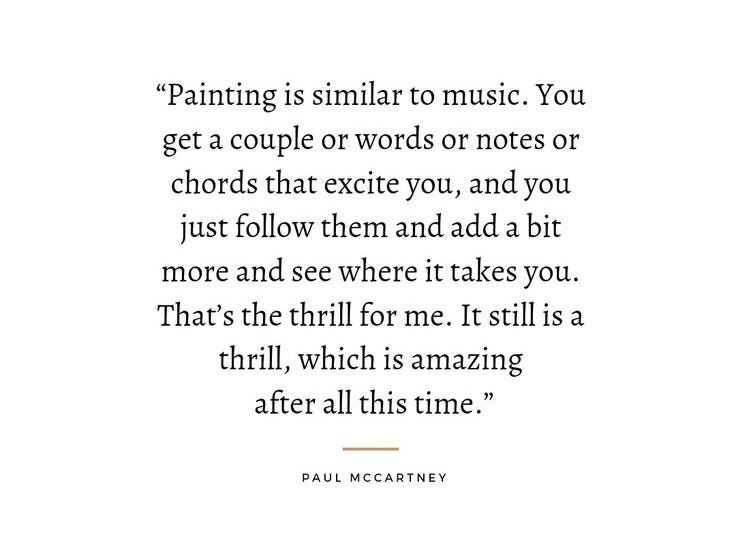
Once that full structure is down, then you can hone in on the stuff that actually matters. The emotional nuance. The lyrics. Reworking melodies that felt right in the moment but need more intention. Adjusting dynamics. Finding the production choices that serve the song. McCartney says he doesn’t overthink what he’s writing about because it spoils the magic. He follows ideas, chord to chord, and lets the song reveal itself. The perfecting comes later.
From Graveyard to Catalog
What do you do if you have multiple ideas floating around, and they aren’t necessarily connected to the same song?
When I create a full-length rough demo, I drop it into a folder in my notes app labeled “Demos.” Knowing that I have a folder of full-length song structures I can pick up at any time takes so much pressure off the creative process. And when I do open one of those files, it’s never daunting, because I already have the complete framework.
If you’re someone who’s constantly coming up with melodies, hooks, or little fragments throughout the day, keep recording those in your voice memos. But create a separate folder for those. I keep one called “Hooks” so that when I’m in a session and need a melody, I know exactly where to go. No scrolling through hundreds of untitled voice memos hoping something jumps out.
The Takeaway
McCartney’s biggest piece of advice to young songwriters is simple: write a lot. As he puts it, don’t just write three songs and say you’ve written three songs, because that’s not enough.
I’d add to that: finish them. Get the structure down. Give every idea a skeleton. Because the more full songs you have sitting in your demos folder, the more material you actually have to work with. And the less likely any single idea is to die in a voice memo or a half-built Pro Tools session.
Finishing a song’s structure in a single session removes the biggest barrier most of us face: coming back to a fragment of an idea and losing the thread or the inspiration. When the skeleton is there, every future session becomes about refinement and emotional depth. Also, when you play a full rough demo for someone, they can actually imagine what the finished version could sound like. They can hear the potential. A snippet of an idea doesn’t have the same power.
This is one of the simplest habits you can build into your creative workflow, and it will save more songs than you realize.
What does your current demo organization look like? Do you have a system for capturing and revisiting ideas, or are you working through the chaos? I’d love to hear what’s working for you.
I can't believe I haven't created groups in voice notes. Such a good idea to create one for hooks, melodies, choruses, etc!