


In the studio, you pour everything into a song. Every instinct, every emotion, every gut feeling about what the song needs. As an artist, you relive your lyrics and go through an entire journey just to access and unleash that special something in you. As a producer, you are turning an idea into a sonic experience that honors the storytelling and the feelings behind it. You are fully invested because it’s the only way to do good work.
And then, at some point, you have to let go.
The artist wants to recut the entire song. The label wants changes. Your favorite part of the song gets cut. The mix goes to another engineer. The thing you gave everything to is no longer under your control.
This is where the art of detachment becomes crucial. Not just with the work itself, but with the pace and lifestyle that comes with it. Because if you can’t detach, you will break. I did.
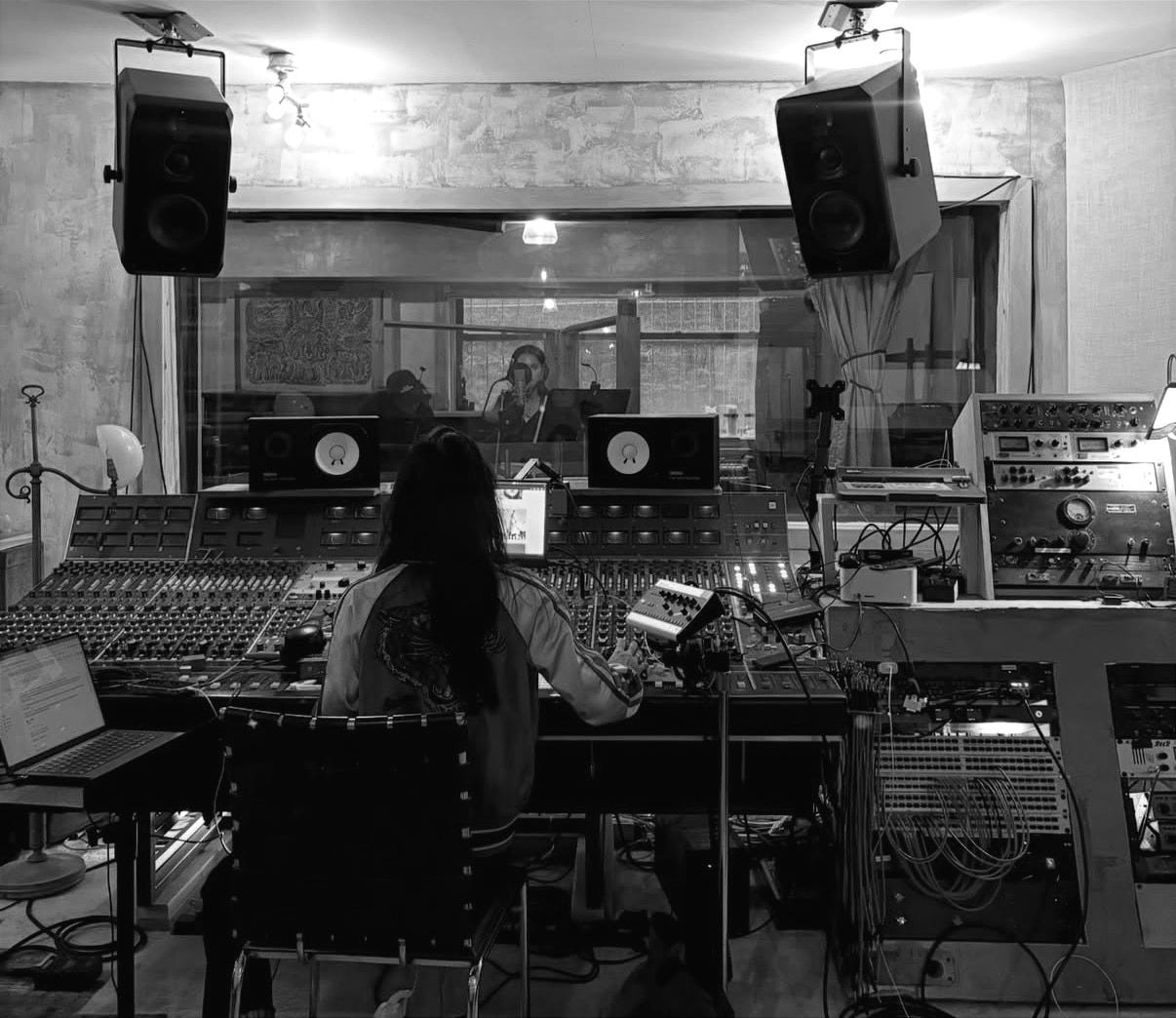
I learned detachment out of pure necessity. In one year, I spent 270 out of 365 days in recording sessions. At the time, I was wearing multiple hats as a studio assistant, recording engineer, and session drummer. I was living away from home, sleeping on the studio couch, traveling overseas, and my personal life was virtually non-existent.
I quickly realized that this kind of intensity for weeks and months on end without an outlet was unsustainable. The lifestyle, the emotional ups and downs of each project, and the constant creative investment. Especially for someone who tends to be more introverted and absorbs people’s energy like a sponge. I had to be honest about my limits and find a way to keep going without losing the quality of my work. So I started journaling every day and seeing a therapist virtually once a week.
What I learned from this process was the importance of detachment. Developing a stoic mentality of letting go of what you can't control, like the outcome, while remaining fully engaged in what you can. You give everything you have to the process, and then you trust that the process was enough.
For production, the most important thing is that everyone on the team serves what's best for the song as a whole, which requires separating your ego from the outcome. It's a constant work in progress, but it's the foundation of sustainable creative work.
The tricky part is knowing when to switch gears. Because studio work demands that you are emotionally and physically connected to the music at all times. It’s the only way our output can carry momentum and fire. There’s nothing better than feeling goosebumps from something you created, because it means it truly resonates with you.
But that emotional connection can work against you if you can't release it when the moment calls for it. Whether it's a production decision that didn't go your way, an idea you loved getting scrapped, or the finished product being handed off to the world, you have to be able to detach from yourself and be objective. If you stay attached, your ego takes over. And ego doesn't make good decisions.
In production, I’ve learned to hold two things at once. When we’re recording, I am all in. Even if it’s an idea I don’t particularly like, I try my best to make it work. I will fight for a take or an arrangement, and stay late to get the sound right. The moment it’s done, I lower my expectations and practice letting it go. If the artist wants to change the direction, that’s their right. If the label wants another producer to get involved, that’s the reality.
Something I know is hard for a lot of producers and engineers to accept is that just because you spend hours creating an idea, it doesn't mean it deserves to live in the song. For me, being an engineer taught me something very valuable - that being emotionally invested in the music and being able to step back from a single idea are not mutually exclusive. Because I wasn't the one who lived inside that idea for weeks or months, I often had a clearer sense of whether it was making the song better or not. I realized that a lot of my suggestions were trusted because of that distance.
One of my favorite studio mantras is the “seven-minute rule,” and I believe it originated from producer CJ Vanston, who’s worked with Prince, Toto, and Joe Cocker. The idea is simple: any idea is worth seven minutes. You don’t argue about whether a bass feel should change or debate a vocal harmony for an hour. You just record it, because it’s faster to decide from actually hearing the idea back than to sit around debating it, especially when you have musicians in the room. Give it seven minutes. If it works, great. If it doesn’t, you move on with peace of mind because now you know.
What I love about this is that it eliminates the part of the creative process that kills the most momentum. The talking phase and the overthinking - the ego battle over whose instinct is right. Seven minutes costs you almost nothing. It gives everyone in the room permission to throw something at the wall in a safe space, without fear or judgment, because the stakes are low enough that failure doesn’t sting.
The concept of detachment applies well beyond the studio. You can care deeply about an outcome while accepting that you don’t control it. You can invest your whole heart in a project, a relationship, a vision, without letting the outcome define you.
Of course, it’s easier said than done depending on the situation. I like to ask myself if I did the best I could, and if I gave it my all with honesty. And if the answer is yes, I can give myself permission to detach and accept that it’s now out of my hands.
Remember, detachment doesn’t mean you don’t care. It means you cared enough to do your part fully, and now you’re wise enough to let it live.