


Welcome to Your Monday Music Briefing, your weekly roundup of what caught my attention last week that felt important for self-label artists to know.
Apple Music Flagged 2 Billion Fake Streams in 2025, Then Doubled Its Penalties
Apple Music revealed that the platform identified and demonetized roughly 2 billion fraudulent streams last year, representing an estimated $17 million in royalties that would have been siphoned from legitimate artists. The company has now doubled its fraud penalties from a 5-25% range to 10-50% of would-be royalties. Schusser pointed to the surge in AI-generated content as a driving factor. For context, Deezer reported receiving approximately 60,000 AI-generated tracks per day, with up to 85% of streams from fully AI-produced music flagged as fraudulent in 2025.
Sono Hikari take: Two billion fraudulent streams sounds enormous, but Apple says that’s still less than 0.5% of total listening on the platform. The real story is what’s driving the increase: AI-generated music created specifically to game royalty distribution. These aren’t artists using AI as a creative tool. These are fraud networks manufacturing AI tracks at scale to extract money from the same pool your music earns from. Every fake stream that gets paid dilutes the per-stream value for everyone. The penalty doubling is a step, but the deeper issue remains: the royalty system was built on the assumption that music comes from real people making real art. That assumption is now being stress-tested daily. Platforms that take enforcement seriously are protecting the ecosystem artists depend on.
For self-label artists: This is why clean metadata, proper registration, and understanding your royalty infrastructure matters more than ever. The money reclaimed from fraudulent streams goes back into the pool, which means it finds its way to artists who are registered correctly and playing by the rules. Are your songs properly registered with your PRO, publishing admin, and SoundExchange? If not, you’re leaving the reclaimed money on the table too.
Spotify Ditches the Blue Checkmark “Registered Artist”
Spotify is replacing its blue Verified Artist checkmark with a new label: “Spotify Registered Artist.” The designation moves from the prominent checkmark placement to the About section of your profile. Spotify says the change is about clarity. The blue check was being interpreted as a status symbol or endorsement, when it really just meant an artist had claimed their profile through Spotify for Artists.
Sono Hikari take: This is purely a cosmetic update. Your algorithm standing, playlist eligibility, royalties, and access to Spotify for Artists tools remain exactly the same. But the rebrand does say something about how "verification" has been culturally distorted across platforms. After Twitter's checkmark chaos and Meta turning verification into a paid purchase, the word "verified" lost its meaning entirely. What's worth noting is what this rebrand doesn't address. At a time when platforms are drowning in AI-generated uploads (remember Deezer's 60,000 AI tracks per day), there's no mention of "Registered Artist" being used to distinguish human artists from AI-generated profiles. That feels like a missed opportunity. A label that signals "this is a real person making real music" would carry actual weight right now. Instead, "Registered" just means you claimed your profile.
For self-label artists: Have you claimed your profile on every platform where your music lives? Spotify for Artists, Apple Music for Artists, Amazon Music for Artists, YouTube for Artists. Each one gives you data and tools that help you understand how your audience is finding you.
Spotify Upgrades Lyrics With Offline Access and Global Translations
Spotify announced updates to its lyrics feature by now appearing directly beneath album artwork for more prominent placement, expanding translations globally (up from 25 markets), and Premium subscribers getting access to lyrics offline. Spotify says user tests showed the more prominent lyrics placement increased engagement with the feature.
Sono Hikari take: The global translations expansion is genuinely interesting for self-label artists thinking about international audiences. If your lyrics are now accessible in multiple languages, listeners in markets you haven’t actively targeted can engage more deeply with your music. This is especially relevant for English-speaking artists with growing international streaming numbers. It lowers one barrier to connection without requiring any extra effort on your end.
For self-label artists: If you’re seeing international streaming activity in your Spotify for Artists data, pay attention to which countries are showing up. Expanded lyric translations could deepen engagement in those markets organically. And if you haven’t checked your lyrics on Spotify recently, make sure they are accurate. These are now front and center in the listening experience.
How Splice Automated Royalty Payments, and Why It Matters Beyond Splice
Digital Music News highlighted how sample marketplace Splice overhauled its royalty payment system through automation. Their finance team had been manually processing 900+ royalty payments each quarter, a process that took two weeks per cycle, totaling eight weeks of manual work per year. After implementing automated payment infrastructure, that same process now takes less than an hour.
Sono Hikari take: This story is a sponsored case study, so take the framing with that context. But the underlying principle is relevant beyond Splice. The music industry’s payment infrastructure has historically been slow, manual, and opaque. When companies like Splice, Symphonic, and others invest in automating their royalty operations, it means faster, more accurate payments to the artists and producers creating on those platforms. For self-label artists, this is a reminder that the platforms and services you choose to work with matter. A distributor or sample marketplace that has invested in its payment infrastructure and transparency is more likely to pay you correctly and on time. When you’re evaluating distributors, ask about payment timelines and how they handle royalty accounting alongside the feature comparison.
For self-label artists: When was the last time you audited your own payment infrastructure? Do you know when each of your revenue sources pays out, how much they take in fees, and whether your banking details are up to date across every platform? Building that awareness is part of operating like your own label.
Olivia Dean and Lola Young’s Grammy Win Is a Masterclass in Patience
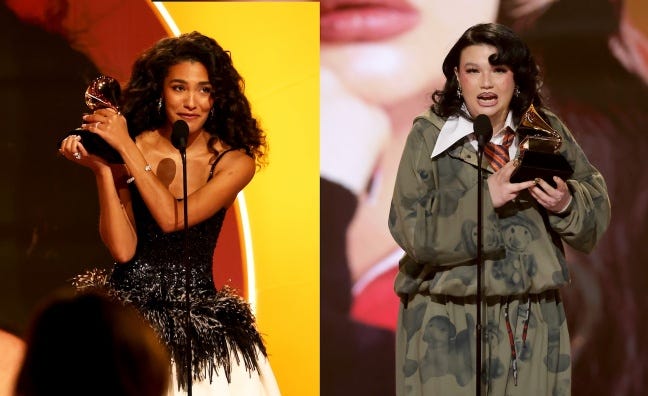
Olivia Dean took home Best New Artist at the 2026 Grammys, becoming the first British act to win that category since Dua Lipa in 2019. Fellow Brit Lola Young also won Best Pop Vocal Performance for “Messy.” Dean’s acceptance speech hit hard: “I’m up here as a granddaughter of an immigrant. I’m a product of bravery, and I think those people deserve to be celebrated.” Her single “Man I Need” is now sitting at No. 2 on the US Hot 100, and The Art of Loving has rebounded to its No. 3 peak.
Sono Hikari take: What stands out about Dean’s trajectory is the years that came before the Grammy. She spent half a decade putting out EPs, testing different musical approaches, and building her craft before most people outside the UK knew her name. She recorded The Art of Loving in a rented East London flat because she wanted to control the environment, to set the tone of the room herself. She told Billboard last year, “I’ve never been on the charts before, and I’ve been putting out music for quite a long time.” That’s someone who was making music because the music mattered to her. The Grammy didn’t create her artistry. It confirmed what years of patient, intentional work had already built.
For self-label artists: Dean’s story is worth sitting with. Are you building something you’d be proud of even without the big moment? What would your career look like if you gave yourself permission to develop at your own pace, instead of measuring progress by someone else’s timeline?
If You Missed It:
One Thing To Carry With You This Week:
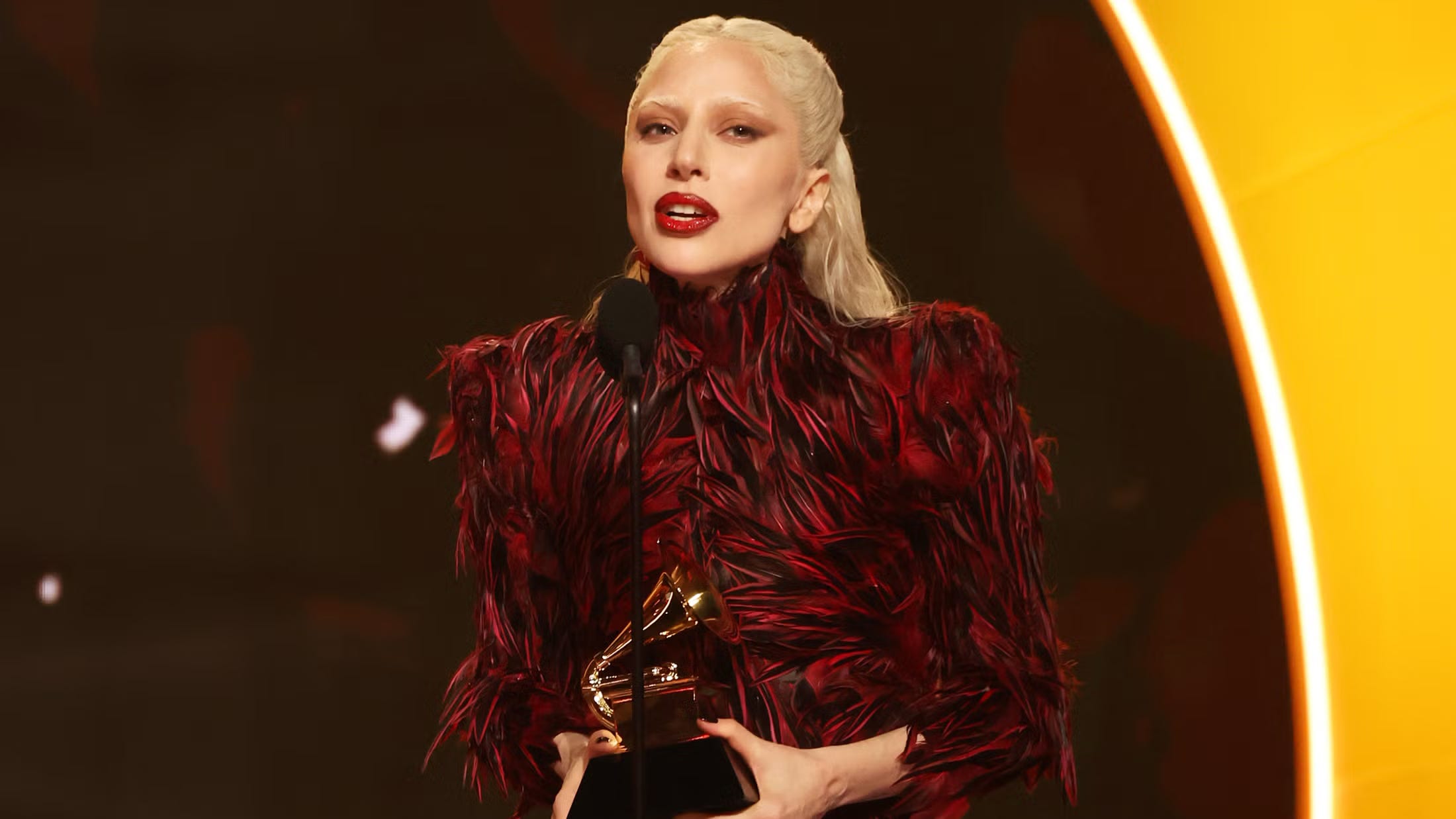
"Always listen to yourself and always fight for your ideas, fight for your songs, fight for yourself as a producer. Make sure that you are heard, loudly."
-Lady Gaga, accepting Best Pop Vocal Album at the 2026 Grammys.