


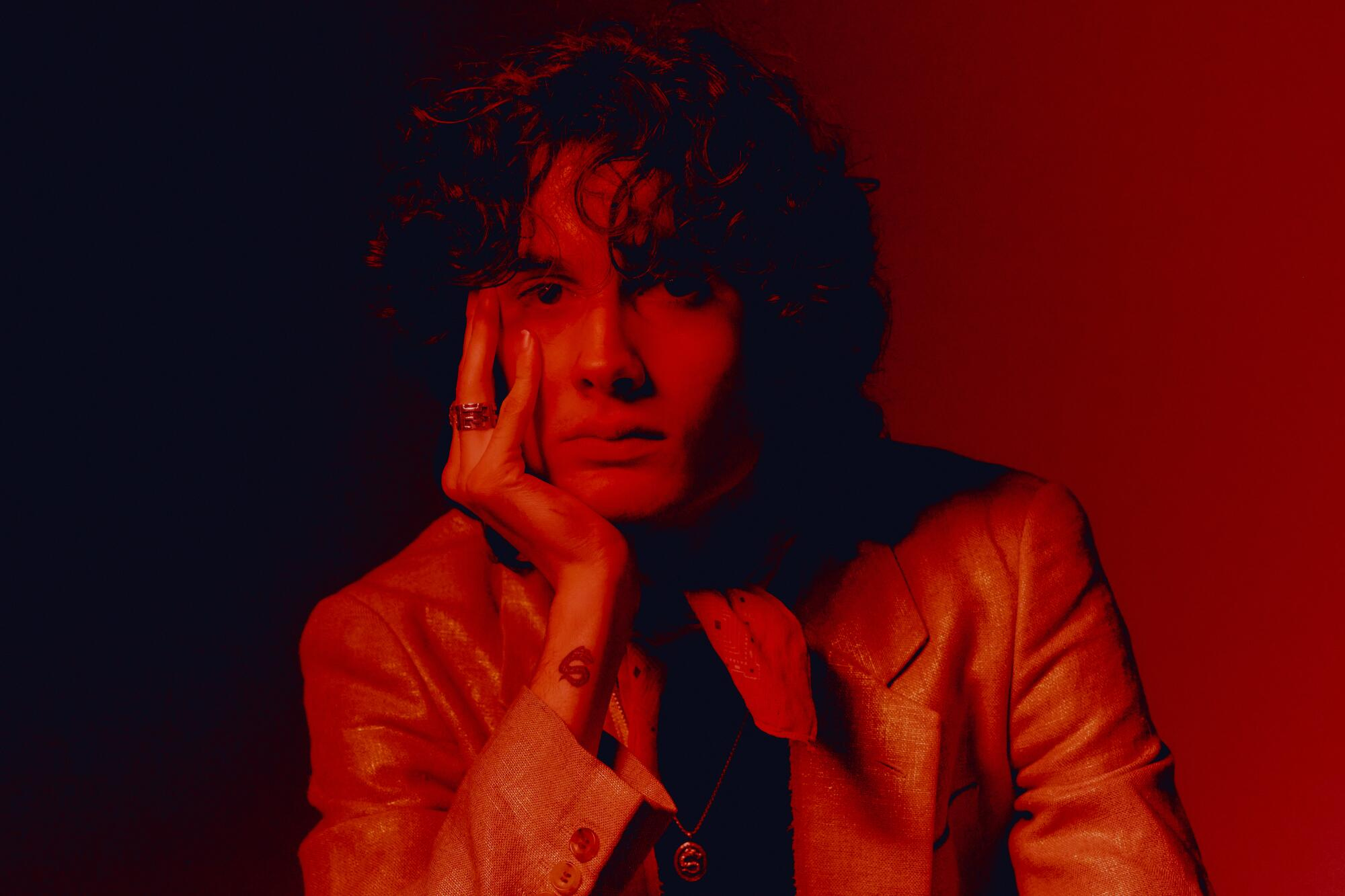
Sombr just said in a recent interview that he never releases music without A/B testing it first. He posts incomplete songs on TikTok and finishes them based on his audience’s reaction. The comments exploded with: “This is why music sucks now.” “Pandering to the masses kills art.” “This is the least artistic thing to do.”
But here’s what makes this complicated: Sombr hit 1.2 billion streams in under a year. At 20 years old, “Back to Friends” earned him a Grammy nomination and global chart domination. Yes, he has the major label support, but there’s something else that’s clearly working.
I did a deep dive on his release strategy. What I found reveals a tension every independent artist needs to understand: the difference between using TikTok as a tool and letting it dictate your art. I’ll also share with you a template to try this strategy for your next release.
The Three-Year Struggle Nobody Talks About
Sombr, real name Shane Michael Boose, signed with Warner Records at 17 after his self-produced song, “Caroline,” went viral overnight. Labels flooded his inbox the morning after release.
Here’s what the success stories leave out: Between “Caroline” and “Back to Friends,” he released nearly 20 songs. For three years, he was a signed artist with major label support, releasing music that didn’t hit as powerfully as his self-released song.
But when you listen to what he actually says about that period, a more complicated picture emerges.
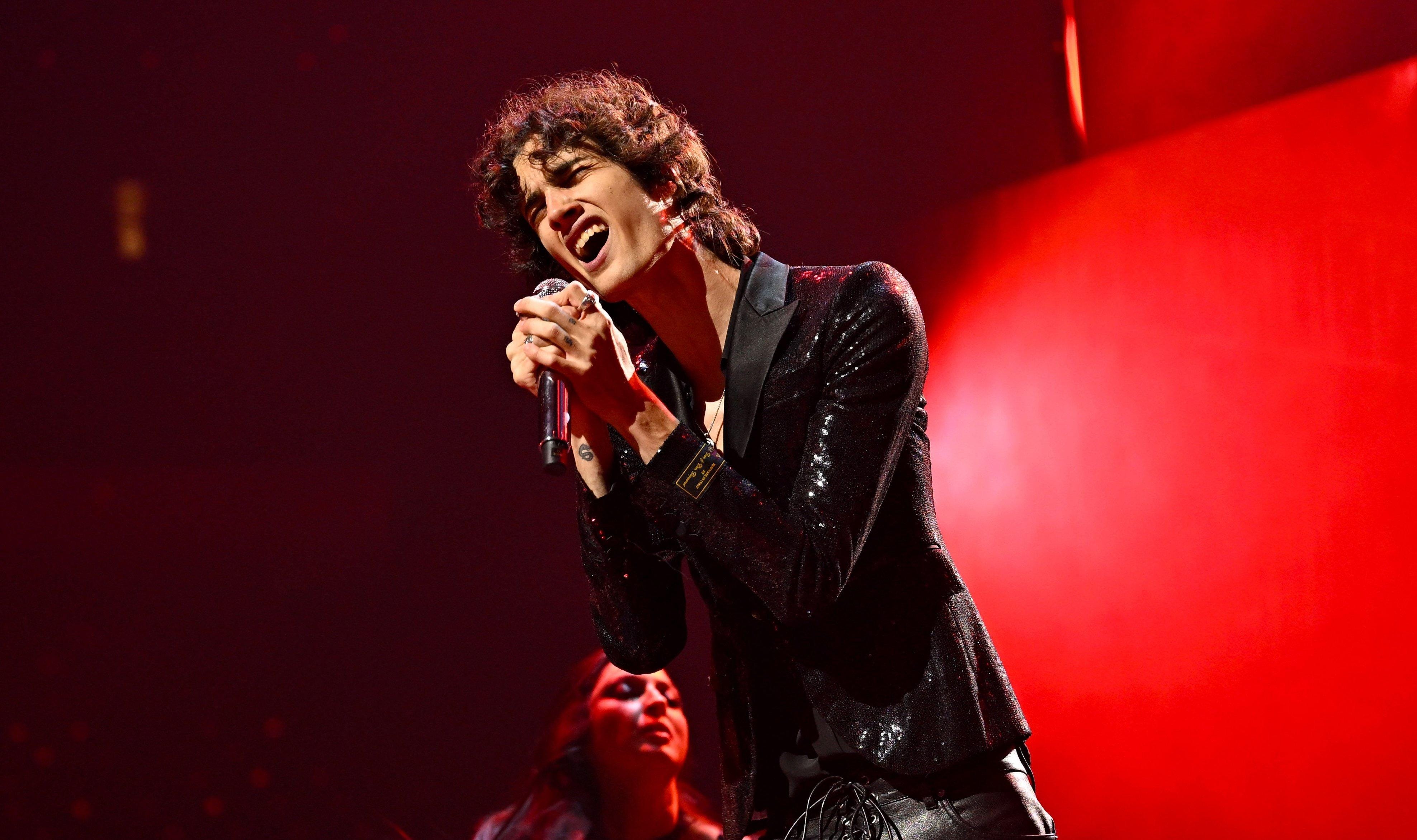
In interviews, he talks about using TikTok to A/B test in real time -
“Being able to A/B test things is something you’ve never been able to do in history as a musician.”
A/B testing isn’t new to music. Artists have done it live for decades, reading crowd reactions and adjusting setlists. What’s different now is scale and speed.
But when asked what finally made “Back to Friends” work, he says something different:
“Everything before ‘Back to Friends’ was me making what I thought people wanted to hear. That wasn’t the truth. ‘Back to Friends’ was when I said, ‘I’m going to make what I feel like making.’”
For three years, he and the label were using audience data to guide his creative decisions. The breakthrough came when he stopped optimizing and started trusting his instinct.
The Mimetic Trap in Real Time
I recently wrote about René Girard’s concept of mimetic desire - the idea that we want things because others want them, not because they’re authentically ours. Sombr’s three-year struggle is mimetic desire playing out in real time.
When you use TikTok to decide what to create, you’re asking: “What do people already want?” You’re reverse-engineering your art from audience reaction. That’s not creation. It’s imitation on demand.
The songs that didn’t land weren’t bad - they still had millions of streams, but they just didn’t hit the threshold that was expected by the label. They were strategically shaped by what Sombr and the label thought would work based on what they saw performing.
“Back to Friends” wasn’t A/B tested into existence. He wrote it and made a demo alone in his bedroom, and brought it to producer Tony Berg to record and release it without knowing if it would connect. It sat for three months before it caught fire.
The virality wasn’t engineered. It was a response to something genuine.
When TikTok Testing Actually Helps
So here’s the framework: there’s a meaningful difference between what you should and shouldn’t let data influence.
What NOT to A/B test: The Music Itself
Using TikTok to decide what songs to make, what sounds to chase, what lyrics will resonate - this is where you end up making strategic content that doesn’t connect.
What you CAN test: The Presentation
Once you’ve made something authentic, experiment with how you present it:
Does a certain camera angle perform better?
Do text overlays increase engagement?
Does a specific section hook people faster?
Does raw footage outperform polished content?
This testing is about distribution, not creation. You’re not changing your art, but you’re learning how to get it in front of people who’ll connect with it.
What you CAN test: Which Song to Release Next
After “Back to Friends” charted, Sombr had been teasing “Undressed” on TikTok. He saw genuine excitement building. His label wanted to wait and milk the first song’s momentum.
Sombr pushed to release it anyway. He was reading his audience’s response to something he’d already made from a real place. The song charted alongside “Back to Friends” and the two songs ended up complementing each other.
Your Self-Label Toolkit: Apply This to Your Next Release
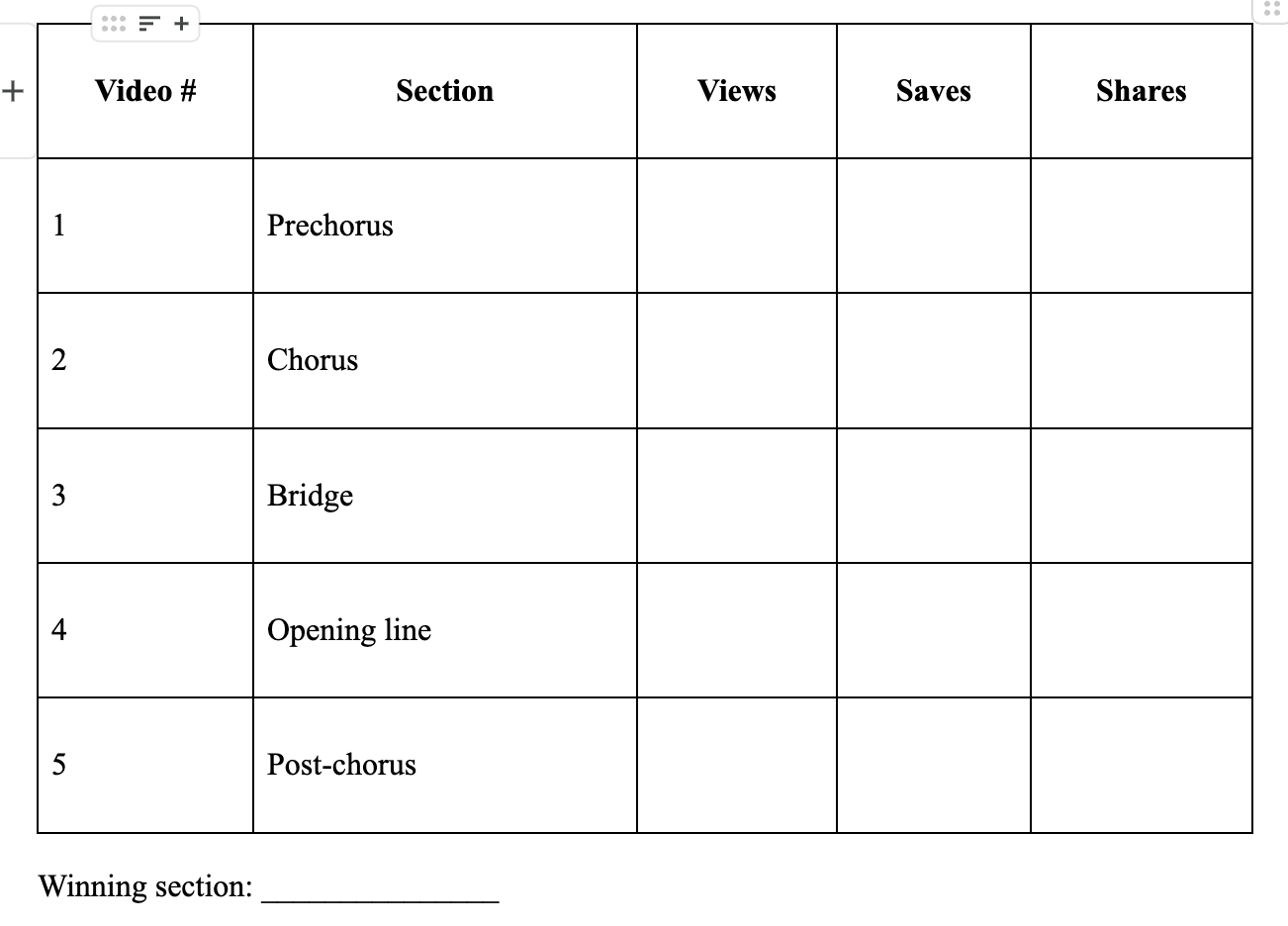
1. Find Your Clippable Moment
Test which section of your finished song has the strongest emotional hook. Post 3-5 short videos across a week, each featuring a different section:
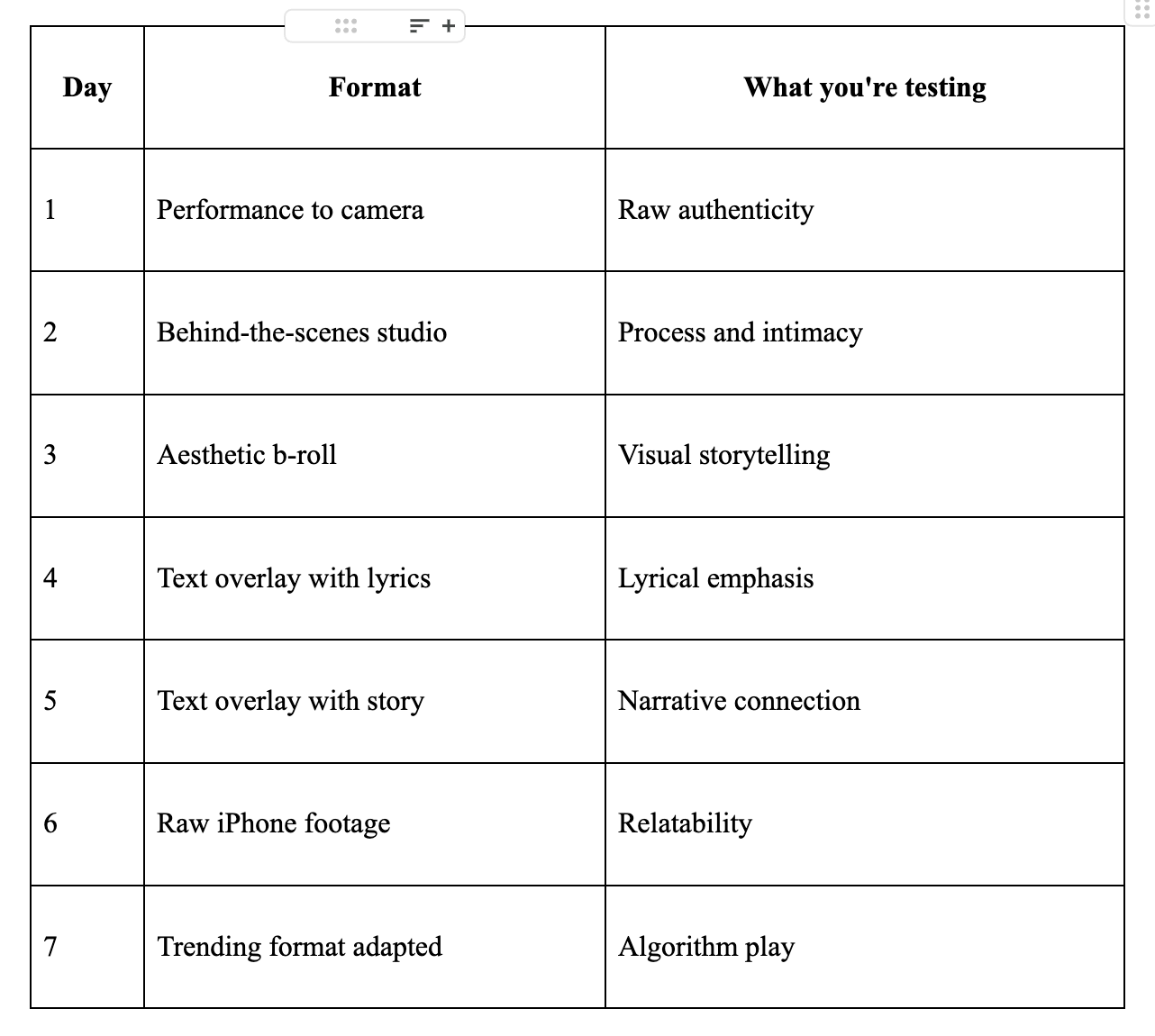
2. Presentation Test: 7 Days, 7 Variations
Once you’ve identified your strongest hook, post it 7 different ways - one per day. Track which variation performs best. That becomes your template:
3. Build Community You Control
TikTok is excellent for discovery, but challenging for retention. You don’t own that relationship. If the algorithm shifts, you’re at its mercy.
Sombr recognized this early. He migrated superfans to Discord - a space for direct communication and deep community. The key is to use TikTok for exposure and to migrate those audiences to your platform of priority, whether that’s Spotify, your website, newsletter, etc.
Platform Migration Setup:
Pick your goal, then align all bios to one CTA:
If your goal is to drive a release:
Pre-save link in TikTok bio
Same link everywhere else
Pinned post directing to pre-save
If your goal is to build a direct connection:
Discord/newsletter link in all bios
Exclusive content only through that platform
Regular mention: “Join the Discord,” “Link in bio.”
The rule: Every social bio should point to the same link. Don’t split attention.
Here is a template for your next release. Try it out and let me know how it goes.
The Three-Year Lesson
What strikes me most about Sombr’s story is the patience required to survive the gap between signing and breaking through.
He was candid about the fear: “My ego was stroked so hard. I left school. When you’re thrown into a commercial thing and competing, if you don’t do numbers within a certain time, you get dropped. That was creeping in.”
But even while songs weren’t charting, Sombr was building genuine connections through content. As i-D magazine described him, Sombr’s online presence is ‘knowingly silly and self satirizing,’ leaning into the matcha-drinking, Clairo-streaming soft boy trope with full awareness.1
This is the major label reality: artists get signed before they’ve developed their identity, and labels start the clock before they understand who they even signed. The pressure to perform commercially is immediate and constant, and that pressure pushes you away from “your” art.
For self-label artists, the timeline might be longer, but the pressure is different. You’re not racing a contract clock. You’re building something sustainable.
The Question Worth Sitting With
So here’s a question to ask yourself if you’re using TikTok as a tool:
When you post a snippet and watch the response, are you learning what resonates? Or are you learning what to imitate?
The difference matters more than any algorithm.
Test how you present your song. Test what you prioritize. But you don’t have to test what you create. The second you do, you’re not making art - you’re making content. And those two things don’t last the same way, nor do they hold the same weight.
What’s your experience with using TikTok as a tool? Have you made something because you just want that viral moment? Or released something genuine without knowing if anyone would care?
https://i-d.co/article/sombr-interview-album-i-barely-know-her/
That's the best thing I've read today. Great job!