


Welcome to Your Monday Music Briefing—what caught my attention last week that felt important for self-label artists to know.
ElevenLabs Launches “The Eleven Album” With Liza Minnelli, Art Garfunkel & Other Legacy Artists
AI voice company ElevenLabs released “The Eleven Album” on Spotify featuring 13 artists including EGOT-winner Liza Minnelli and Art Garfunkel collaborating with their AI music generation tool. Artists retain full ownership and collect all streaming revenue from their tracks. The album spans genres from rap to EDM, with each artist creating original music using AI-generated backing tracks or voice cloning. Artists are also joining ElevenLabs’ “Iconic Marketplace” where they can license their voice or musical identity for approved brand deals and media projects. The company claims their model is “fully trained on licensed music” and includes “sonic fingerprints” to identify AI-generated content.
Sono Hikari take: This is AI companies attempting legitimacy through celebrity endorsements. When filmmaker Justine Bateman says “the first thing you gotta look at is how much money did they pay them,” she’s naming the reality: these partnerships are marketing, not genuine artistic collaboration. Minnelli’s new EDM track sounds nothing like her legacy work, because it isn’t her work, it’s a voice clone performing over AI-generated music. The real question isn’t whether the technology works. It’s whether this normalizes a model where tech companies profit from artist likenesses while the actual craft - the years spent developing a voice, a sound, an artistic identity, becomes just another dataset to be monetized. ElevenLabs positioning this as “empowering creators” while simultaneously planning to lock all creation inside their platform by 2026 (no downloads, everything stays on their service) reveals the endgame: build dependency, control distribution, extract value. This isn’t about artists. It’s about establishing a closed ecosystem where the platform, not the artist, holds the power.
For self-label artists: If an AI company approached you tomorrow offering money to license your voice or catalog for training, what would you need to know before deciding? What protections would actually matter - not just in the contract, but in how your music gets used once it’s in their system?
Physical Music Sales Set for First Increase in 20 Years—Driven by Vinyl and Gen Z CD Buyers
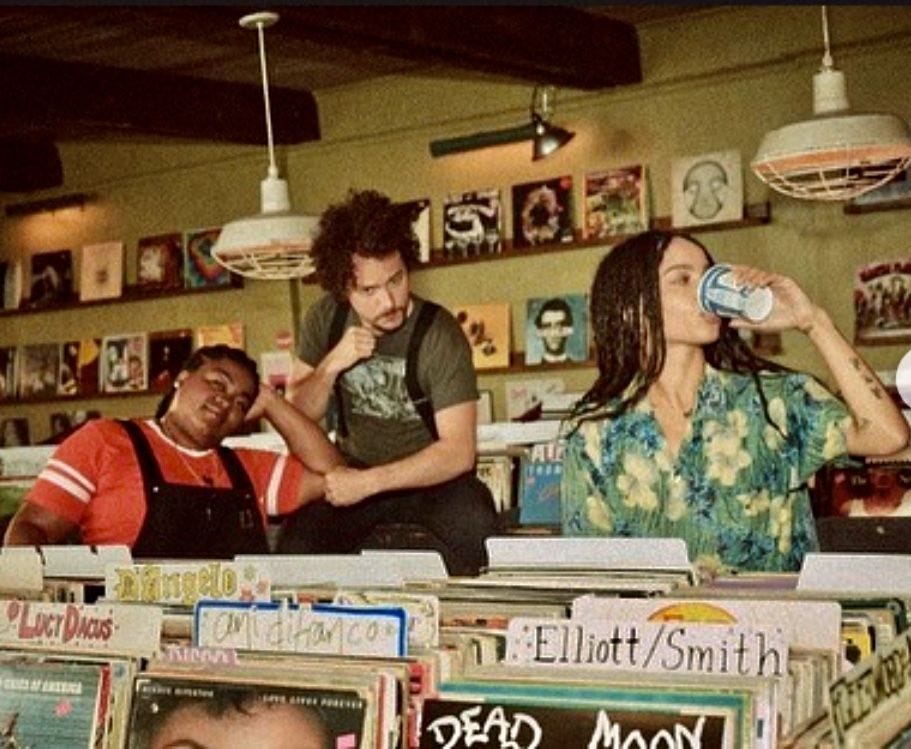
Physical music sales are on track for their first overall increase since 2004, with vinyl leading at 12.4% growth and CD sales showing the slowest decline in years (down only 1.5% vs. double-digit drops in previous years). Gen Z is driving the resurgence - 43% of CD buyers in France are under 35, and they’re purchasing vinyl, CDs, and cassettes more than any other generation. The appeal isn’t just nostalgia: it’s tangible ownership, superior sound quality, collectability, and direct artist support. In the US, physical sales generated around $2 billion in 2024, with vinyl accounting for $1.4 billion. Smaller artists are increasingly treating physical releases as essential revenue streams rather than niche extras, bundling them with merch at shows.
Sono Hikari take: Physical sales aren’t replacing streaming but they’re serving a different purpose entirely. While streaming prioritizes convenience, physical products prioritize meaning and connection. For superfans, buying physical music is how they express loyalty and participate in an artist’s world. The shift toward premium products (limited editions, colored vinyl, bespoke box sets) over mass distribution means higher margins and stronger emotional engagement, even with lower volumes. What matters here isn’t that physical is “back” - it’s that artists who understand their audience can create revenue streams that aren’t subject to per-stream economics or platform whims. The question becomes: how do you make your physical release feel like an experience rather than just another purchase?
For self-label artists: If you released a physical product tomorrow - vinyl, CD, cassette, what would make it feel essential to your core fans rather than just “nice to have”? What could you offer that streaming can’t replicate?
Aphex Twin Overtakes Taylor Swift on YouTube—Thanks to a 24-Year-Old Track Going Viral
Experimental electronic producer Aphex Twin reached 448 million monthly YouTube listeners in January 2026, surpassing Taylor Swift’s 399 million. The anomaly stems from how YouTube Music calculates monthly listeners: it includes not just direct plays and official videos, but passive consumption through YouTube Shorts, fan uploads, and user-generated content. Aphex Twin’s 2001 track “QKThr” has become a viral background soundtrack for short-form content, meme compilations, and “subtle foreshadowing” / “hopecore” videos. The track has appeared in over 4 million TikTok videos, 530,000 Instagram Reels, and 507,000 YouTube Shorts. On traditional streaming metrics, Aphex Twin has around 5.10 million listeners - still impressive, but nowhere near the YouTube count.
Sono Hikari take: This reveals how discovery works in 2026: algorithms decide what travels, and platform mechanics reshape visibility in ways traditional charts never capture. A minimalist piano piece from 2001 becomes a global phenomenon not because someone marketed it, but because it emotionally resonated in thousands of micro-moments across the internet. This matters for self-label artists because it proves that catalog value isn’t just about playlist placement or release strategy - it’s about whether your music can serve a purpose beyond just being “music.” Can it soundtrack a feeling? Accompany a moment? Become a cultural marker? The passive consumption economy rewards tracks that work in the background, that create atmosphere without demanding full attention. That’s a very different value proposition than trying to manufacture a viral single.
For self-label artists: Looking at your catalog, do you have tracks that could serve a purpose beyond traditional listening - ambient pieces that could soundtrack videos, emotional builds that fit montages, textures that work as background? Are you thinking about your music’s second life beyond the initial release?
Ed Sheeran Lets Fans Vote on His Setlist Every Night—And You Should Consider It Too
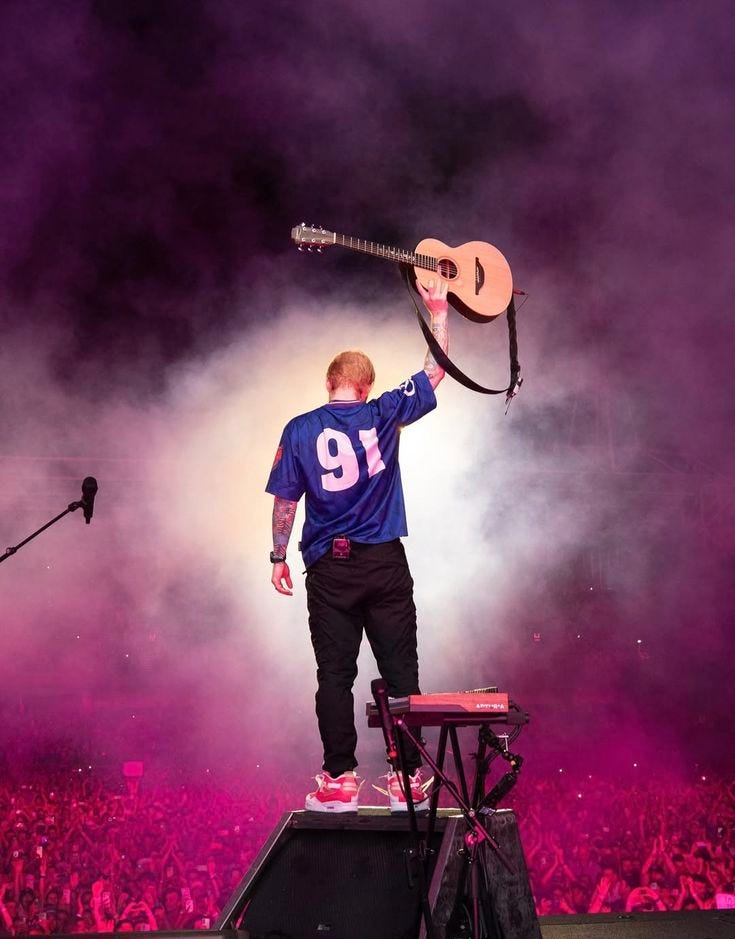
Ed Sheeran is letting fans curate five songs in his setlist each night during his Australia/New Zealand Loop Tour, using real-time text voting. He’s committed to learning any song requested - not just his own catalog, creating a different show every night. Fans have already pulled out deep cuts from 2013 and tracks not performed since 2021. The approach transforms concerts from one-way performances into collaborative experiences, giving fans ownership over the show while providing artists with unfiltered data about what truly resonates with their audience regionally.
Sono Hikari take: This isn’t just a gimmick, it’s smart relationship-building. When fans help shape the setlist, they become collaborators rather than spectators. That sense of ownership creates loyalty that extends far beyond the show itself. For self-label artists, the principle applies even if you can’t set up a text-voting system: find ways to give your audience creative input in your live experience. It could be as simple as posting Instagram Stories before a show asking which songs they want to hear, or letting your email list vote on which unreleased track you perform. That mutual respect strengthens the artist-fan relationship in ways that algorithmic playlisting never will.
For self-label artists: What’s one way you could involve your audience in shaping your next live show, release, or creative decision? What would make them feel like collaborators rather than just consumers? Do you have a direct way to engage with them?
Udio Signs AI Licensing Deal with Merlin—Major Labels Now on Board, Indie Artists Still Deciding
AI music platform Udio signed a licensing agreement with Merlin, the digital rights agency representing thousands of independent labels globally. The deal allows Merlin members to opt-in to licensing their recordings for training Udio’s AI models, with compensation and usage rules. Participation is strictly voluntary. The partnership follows similar deals Udio made with Universal Music Group and Warner Music Group, leaving Sony as the only major not yet involved. Udio has not disclosed payment rates or whether backdated compensation will be offered for music previously used in training. Udio plans to retire its current model in 2026 and relaunch as a closed platform where users can’t download AI-generated tracks—everything stays within the Udio ecosystem.
Sono Hikari take: This is the pattern we keep seeing: AI companies secure legitimacy through licensing deals with major aggregators (labels, rights agencies) while individual artists are left deciding whether to opt in (if they even have that choice) often without clear information about compensation rates or long-term implications. “Opt-in” sounds like consent, but when payment structures aren’t transparent and you don’t know how your music will be used once it’s in the system, how informed is that consent? The bigger issue: Udio is moving toward a closed ecosystem where all creation happens inside their platform and nothing leaves. That’s not empowering artists - that’s building a walled garden where Udio controls distribution, monetization, and access. For self-label artists, the question isn’t “should I let AI train on my music?” It’s “do I trust this company to act in my long-term interest when their business model depends on locking creators and listeners inside their platform?”
For self-label artists: If your distributor or a rights organization you belong to made an AI training deal on your behalf, would you opt in? What information would you need to make that decision and who would you trust to give you honest answers?
If You Missed It:
One Thing To Carry With You This Week:
The real threat to your career isn’t new technology, changing platforms, or algorithm shifts. It’s losing your creative “why” - the reason you started making music in the first place. Awareness is your most powerful tool for breaking free from mimetic patterns and external validation. When you feel the pull to chase what everyone else is chasing, pause and ask: Is this what I actually want, or is this what I think I’m supposed to want? That clarity is everything.
-Sono Hikari
Hey, great read as always; as someone passionate about AI, I'm always amazed by the tech, but it truely makes me wonder about the line between artistic legacy and just another dataset when I listen to these new tracks.